
Why Loneliness Hurts More at Night
Why loneliness is worse at night is something many people experience but rarely talk about.
There is something about night time that makes loneliness feel larger.
During the day, life gives us places to hide. There are errands to run, tasks to finish, tabs to open, conversations to answer, and a thousand little obligations that keep the heart from speaking too loudly. Even if a person feels alone, daylight can soften it with movement. The hours pass. Attention scatters. The mind stays occupied.
Then evening arrives.
The noise begins to fall away. The messages slow down. The sky darkens. The house grows quieter. The bed waits in the next room. And suddenly the feelings that seemed manageable a few hours earlier start pressing against the surface. Longing feels heavier. Silence feels more personal. Even small absences begin to ache.
For many people, loneliness does not merely appear at night. It deepens there.
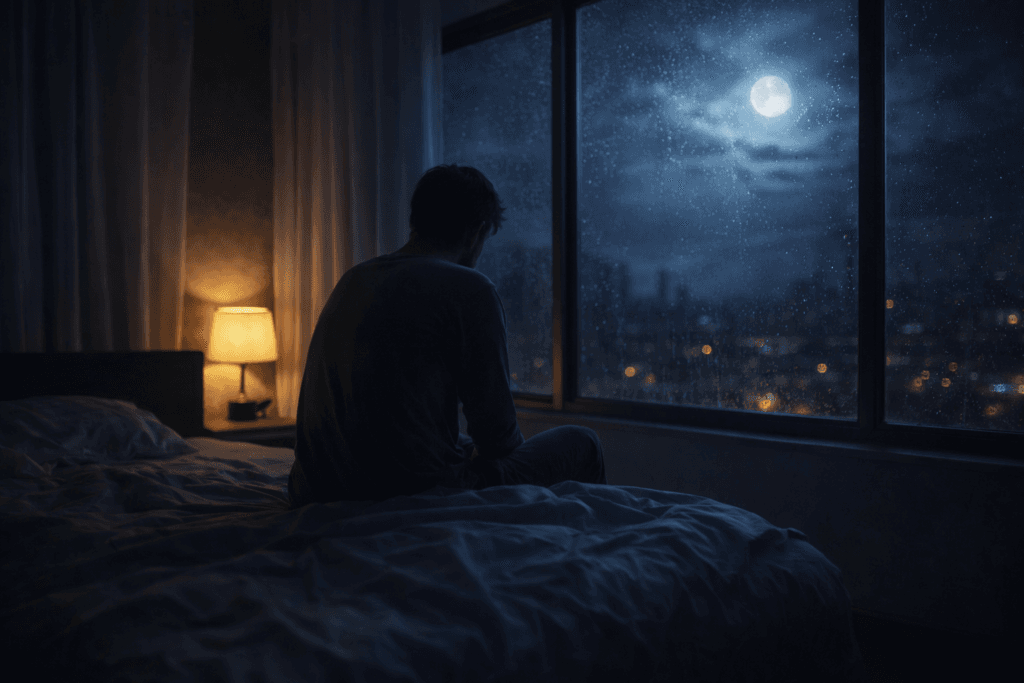
That experience is more common than people admit, and it does not mean anything is wrong with you. It does not mean you are weak, dramatic, needy, or broken. It means you are human, and night time has a way of stripping life down to the things we cannot distract ourselves from forever.
Why Loneliness Is Worse at Night
Night has a way of removing structure.
In the daytime, our lives are often arranged around expectation. We know what needs doing. Even if we are unhappy, there is momentum. There is a reason to keep moving. At night, that structure loosens. The body slows down. The environment grows quieter. The pressure to perform eases. What remains is often whatever has been waiting underneath.
That can be grief.
It can be longing.
It can be regret.
It can be the painful awareness that no one is coming over, no one is texting, no one is lying beside you, and no one is about to ask how your day really was.
Night does not create those feelings from nothing. It simply gives them more room.
For people who are already carrying loneliness, this can feel almost cruel. A day that was merely tolerable can become intensely emotional after sunset. The same room feels different. The same thoughts feel sharper. The same silence feels harder to bear.
And because loneliness often comes with shame, the experience can get tangled quickly. A person is not only lonely. They begin to judge themselves for being lonely. They ask themselves what is wrong with them. They wonder why other people seem paired off, connected, wanted, occupied, chosen. They replay disappointments. They revisit old conversations. They think about the people who left, the people who never arrived, and the life they thought they would have by now.
This is why night time loneliness often feels bigger than the simple absence of company. It becomes a mirror. And not everyone feels ready for what they see there.
The Body Feels It Too
Loneliness is emotional, but it is not only emotional.
It often lands in the body.
At night, when the body is supposed to be softening toward rest, loneliness can create the opposite effect. The chest feels tight. The stomach feels hollow. The bed feels too large. Thoughts begin to loop. Sleep becomes harder. Restlessness creeps in. A person may check their phone too often, pace the room, watch things they are not even interested in, or open social media not because it helps, but because it delays the stillness.
That is important to understand: night time loneliness is not always just sadness. Sometimes it is agitation. Sometimes it is anxiety. Sometimes it is a low ache that does not even have words. Sometimes it is exhaustion mixed with craving. The body wants rest, but the heart wants closeness. Those two needs do not always cooperate.
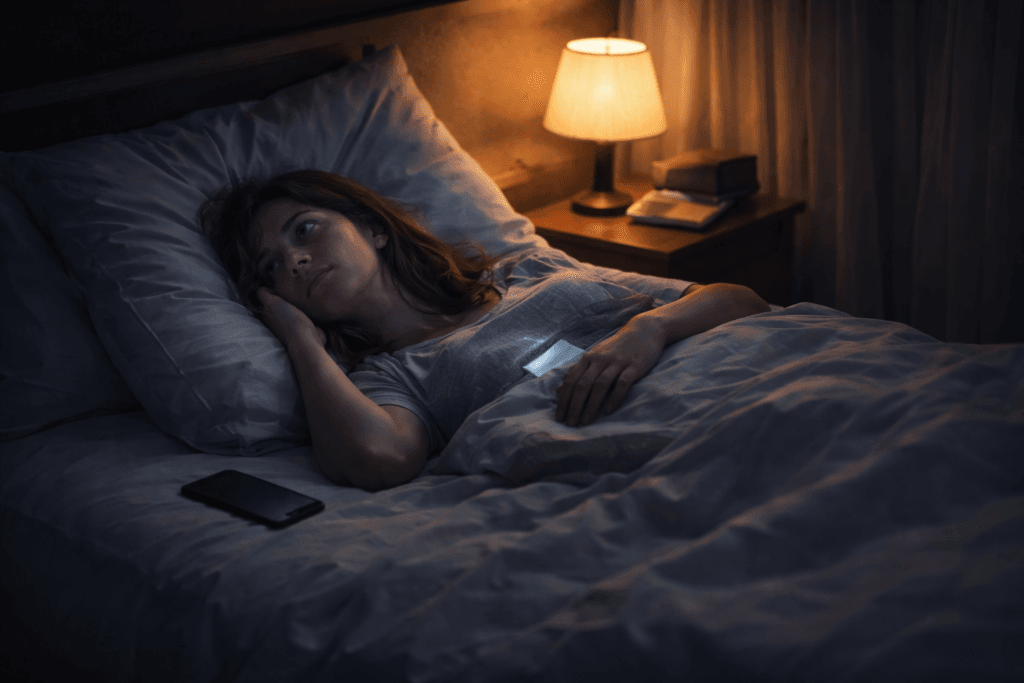
This is one reason why lonely nights can feel disproportionately painful. There is no easy substitute for genuine comfort. Distraction can dull the edges for a while, but it rarely satisfies the deeper need underneath.
Why The Bed Can Feel So Emotional
For many people, night time loneliness gathers around the bed itself.
A bed is not just a place to sleep. It is one of the most emotionally symbolic places in a person’s life. It can represent rest, intimacy, warmth, protection, routine, tenderness, memory, and loss. It can remind someone of what they had, what they miss, what they never found, or what they are afraid they may never have.
An empty bed can mean peace to some people. To others, it can feel like evidence.
Evidence of distance.
Evidence of change.
Evidence of being alone again.
Evidence that desire, love, affection, and touch are not abstract wants, but deeply physical absences.
Why Do I Feel More Lonely at Night?
This is one reason people often say loneliness feels worst late at night rather than in the middle of the afternoon. By then, there is nowhere else to place the ache. The body is tired, the room is dim, and what is missing becomes more obvious.
That does not make you overly sensitive. It makes sense.
Loneliness Often Sounds Loudest When Life Is Quiet
One of the harshest parts of loneliness is that it is often most intense when everything around you appears calm.
There may be no argument. No crisis. No emergency. No obvious event. It is just a quiet evening, and yet something hurts.

This confuses people. They think emotional pain should have a dramatic cause. But loneliness is often quieter than that. It accumulates. It settles in corners. It grows in the spaces where shared life should have been. And then one evening it becomes impossible not to feel.
For some people, this happens after heartbreak. For others, it happens after years of being single. For others, it happens inside a relationship that no longer feels emotionally alive. Some people are surrounded by others all day and still feel profoundly alone once the lights go down.
Loneliness is not always a lack of bodies nearby. Sometimes it is a lack of being known.
That is why night time can feel so exposing. It does not just reveal whether the room is empty. It reveals whether the heart feels accompanied.
There Is Also Less Performance At Night
Daytime often requires a version of ourselves that can function.
We answer questions. We complete tasks. We make jokes. We reply politely. We do what needs doing. Night loosens that performance. That can be healthy, but it can also be uncomfortable, because underneath the capable version of ourselves there may be someone who is aching much more than anyone realizes.
Night time asks fewer practical things from us, but it often asks more emotionally.
Who do you miss?
What are you still hoping for?
What are you pretending not to need?
How long has it been since you felt held, chosen, wanted, understood?
Those are not small questions. And they do not always arrive politely.
The Shame Around Loneliness Makes It Worse
One of the saddest things about loneliness is how often people hide it.
Many people would rather admit to stress than loneliness. They would rather admit to being busy than admit to feeling unwanted. They would rather scroll, joke, deflect, flirt lightly, or act detached than say the truth out loud:
I miss closeness.
I want someone beside me.
I am tired of carrying this by myself.
That silence builds pressure.
So when loneliness surfaces at night, it is not just the loneliness itself that hurts. It is the secrecy around it. It is the self-judgment. It is the old idea that needing love, touch, companionship, or emotional shelter makes a person somehow smaller.
It does not.
Loneliness is not always a character flaw. Sometimes it is a signal. Sometimes it is grief. Sometimes it is the body and heart refusing to let you pretend forever that connection does not matter.
What Helps On Lonely Nights
There is no perfect substitute for real connection. It would be dishonest to pretend otherwise.
But there are gentler ways to move through lonely nights without making them worse.
1. Stop talking to yourself like an enemy
If loneliness shows up at night, try not to add contempt to it. Do not call yourself pathetic. Do not shame yourself for wanting closeness. Do not act as if the need for comfort is a moral failure.
Speak to yourself more like someone who is tired and hurting, not someone who deserves punishment.
2. Reduce empty stimulation
Sometimes endless scrolling makes night time loneliness sharper, not softer. Watching other people’s highlight reels when you already feel empty is rarely soothing. If something leaves you feeling more hollow than before, it is not helping.
3. Create an evening ritual that feels kind
A lamp instead of harsh overhead light. A shower. Clean sheets. Tea. Music that does not wound you. A book that steadies you. Even small rituals can tell the nervous system that night time is not only a place of absence.
4. Put words to what hurts
Sometimes loneliness gets bigger when it stays vague. Naming it can reduce its power. You might write:
- I feel alone tonight.
- I miss being close to someone.
- I am afraid this will last forever.
- I want tenderness, not just distraction.
That kind of honesty can be painful, but it is also grounding.
What Helps With Loneliness at Night
5. Reach for something real
Not everything has to be solved in one night. But sometimes a real text, a call, a note, a conversation, or even making a plan for the next day can interrupt the feeling that you have disappeared from the world.
6. Protect sleep where you can
Loneliness feels worse when the body is depleted. That does not mean sleep is easy, only that it matters. A gentler evening routine, less stimulating input, and fewer emotional spirals right before bed can help more than people think.
What Night time Loneliness Is Really Asking
Often, loneliness at night is not asking for endless analysis.
It is asking for acknowledgment.
It is asking for honesty.
It is asking you to stop pretending that your emotional needs do not count.
Sometimes it is asking for grief. Sometimes for comfort. Sometimes for courage. Sometimes for a life that contains more warmth than the one you are currently tolerating.
That does not mean you must fix your entire future tonight. It just means that the ache may be pointing toward something real.
And real things deserve respect.
A Gentler Way To See It
Maybe loneliness hurts more at night because the world becomes quiet enough for truth to be heard.
Not always easy truth. Not always welcome truth. But truth all the same.
You miss closeness.
You want to feel chosen.
You want tenderness that is not rushed.
You want to matter in someone else’s evening, not just in your own thoughts.
None of that is shameful.
None of that makes you too much.
It simply means there is still life in your heart, even if tonight it feels more like ache than hope.
And sometimes that is where healing begins — not in pretending you do not need anyone, but in refusing to mock yourself for still wanting something real.